Source Cosmetic Grade Essential Oil Roller Bottles for Cosmetics
Find and compare 30 cosmetic grade essential oil roller bottle options for personal care, cosmetics, and medicine applications. Evaluate materials like plastic and glass, sealing types, and customization features to select the right packaging for your brand.
Key considerations
Products List


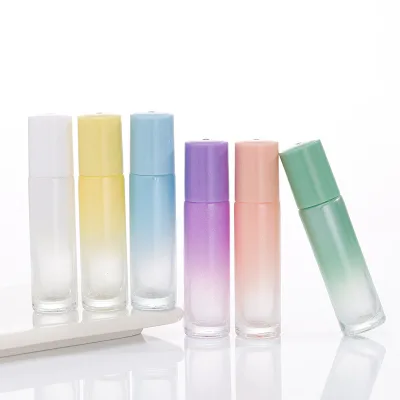


Comprehensive Sourcing Guide
Cosmetic Grade Essential Oil Roller Sourcing Guide
The cosmetic grade essential oil roller market encompasses specialized packaging designed for the precise application of volatile liquids, primarily targeting the personal care and aromatherapy sectors. These units typically feature a glass or plastic vessel paired with a stainless steel or polymer ball mechanism that ensures controlled dispensing while maintaining product integrity. Buyers must distinguish between containers intended for direct cosmetic application and those designed for raw material transport, as the material grade and sealing technology vary significantly based on the intended end-use.
Procurement decisions hinge on the specific functional requirements of the product, such as whether the roller is intended for digestive system support, dermal application, or general cosmetic use. The observed market offers a diverse range of models, from small 10ml units with PP balls to larger 50ml and 70ml variants, each requiring distinct verification of the sealing type and closure mechanism. Understanding these distinctions is critical for aligning the packaging with the viscosity and chemical nature of the essential oils being packaged.
Product Scope and Observed Listing Signals
The product landscape for cosmetic grade essential oil rollers includes distinct variations in material composition, ranging from glass cylinders to plastic constructions, each offering different advantages regarding weight, breakage resistance, and chemical compatibility. Listings frequently highlight specific attributes such as waterproof capabilities, custom color options, and the availability of silk printing or hot stamping for branding. Buyers should note that while some products are marketed for general cosmetic use, others are explicitly designated for medicine or personal care products, necessitating a careful review of the stated usage to ensure regulatory alignment.
Observed listing signals indicate a wide spectrum of customization availability, with many suppliers offering OEM services and tailored packaging solutions like five-layer corrugated brown cartons or drums. The market data reveals that sample availability varies, with some providers offering free samples while others charge costs based on the specific sample type, often with a lead time of 7 to 10 days for customs samples. This variability requires buyers to establish clear expectations regarding sample acquisition costs and timelines before initiating a full production order.
Technical Specifications to Verify
Verification of the roller mechanism is paramount, specifically the material of the ball and the sealing type, which directly impacts leakage prevention and application smoothness. Technical specifications often cite a "Roll on" or "Roll-On Cap" sealing type, with some products boasting a 100% no-leakage advantage, a critical feature for volatile essential oils. Buyers must confirm the ball material, such as PP (polypropylene), and ensure the closure type matches the viscosity of the oil to prevent dripping or clogging during use.
Dimensional and volume specifications are equally critical, with observed models ranging from 2ml to 35ml and specific instances of 10ml, 50ml, and 70ml capacities. The shape is predominantly cylindrical, but the standard and model numbers, such as SJ-58000 or RPA-10ml, serve as unique identifiers for the specific design and capacity. Procurement teams must cross-reference these model numbers with the required volume and standard to ensure the selected unit meets the precise filling and dispensing requirements of the final product.
Compliance and Safety Documentation
Safety documentation is a non-negotiable component of sourcing cosmetic grade essential oil rollers, particularly when the packaging is intended for direct skin contact or medicinal use. The presence of MSDS (Material Safety Data Sheet) certification is a key indicator of a supplier's commitment to safety and chemical handling standards. Buyers should verify that the provided documentation covers the specific raw materials used in the bottle and cap construction, ensuring they meet the necessary safety thresholds for the intended application.
Grade specifications further define the safety profile of the product, with observed listings citing Food Grade B and Perfume Grade C classifications. These grades indicate the purity and suitability of the materials for contact with consumable or topical substances, with some products claiming a purity of 99%. It is essential to confirm that the grade aligns with the regulatory requirements of the target market, as the distinction between general cosmetic grade and food or perfume grade can impact legal compliance and consumer trust.
Cost Drivers and Commercial Terms
Commercial terms in this sector are heavily influenced by the Minimum Order Quantity (MOQ), which can range significantly from 1 unit to 20,000 pieces depending on the supplier and product customization level. Some listings indicate an MOQ of 10,000 pieces for standard models, while others may offer lower thresholds for specific raw material grades or smaller volume containers. Buyers must carefully evaluate their inventory needs against these thresholds to avoid overstocking or incurring unnecessary costs associated with high-volume commitments.
Lead times and packaging logistics also play a significant role in the total cost of ownership, with customized orders often requiring a lead time of 35 days. The choice of packaging, whether standard cartons, drums, or customized five-layer corrugated boxes, affects shipping costs and handling requirements. Additionally, the origin of the product, typically China, and the transport method, such as ordinary goods trucks, influence the overall supply chain efficiency and cost structure, requiring buyers to factor in these variables during budget planning.
Supplier Qualification and Quality Control
Supplier qualification should focus on the ability to provide consistent quality control measures, including the verification of material grades and the integrity of the sealing mechanisms. Buyers must assess whether the supplier can consistently deliver products that meet the specified standards, such as the 2-year self-life and storage requirements for cool, dry places. The ability to maintain the waterproof and no-leakage attributes across large production runs is a key indicator of a supplier's manufacturing maturity and quality assurance capabilities.
Quality control processes should also encompass the verification of customization capabilities, including logo application via silk printing or hot stamping and the consistency of custom colors. Since the product origin is often China, buyers should ensure that the supplier has robust protocols for maintaining product standards during international transport. The availability of samples, whether free or cost-based, serves as a practical tool for validating the supplier's ability to meet specific design and functional requirements before committing to a larger order.
Long-Term Procurement Checks
Long-term procurement success relies on establishing a reliable supply chain that can adapt to changing market demands and regulatory updates. Buyers should regularly review the supplier's ability to maintain the specified product standards, such as the 50ml, 70ml, and other volume standards, while ensuring that the raw materials remain consistent with the required food or perfume grades. Continuous monitoring of the supplier's certification status, including MSDS and other relevant safety documents, is essential to mitigate compliance risks over time.
Finally, buyers must maintain a strategic approach to inventory management, considering the self-life of the products and the storage conditions required to preserve their quality. The 2-year self-life and the need for cool, dry storage conditions necessitate a logistics strategy that minimizes the time products spend in transit or in suboptimal environments. By aligning procurement cycles with these storage and shelf-life constraints, buyers can ensure that the cosmetic grade essential oil rollers remain effective and safe for end consumers throughout their lifecycle.
FAQs
What materials are used for cosmetic grade essential oil roller bottles?
The bottles are primarily made of plastic and glass, with specific models using PP for the ball component. Some products are designated as food grade or perfume grade to ensure safety for direct skin contact and cosmetic applications.
Can I get free samples for testing cosmetic grade essential oil roller bottles?
Free samples are available for the plastic PE roller bottle models to help buyers evaluate quality. For other types like glass bottles, sample costs apply, and the delivery time typically ranges from 7 to 10 days after order confirmation.
Which certifications do these essential oil roller bottles hold?
The products carry MSDS certification to ensure safety compliance for shipping and handling. This documentation supports the use of the bottles in cosmetics, personal care, and medicine sectors where regulatory adherence is critical for import and distribution.
How long is the lead time for customized cosmetic grade essential oil roller orders?
The standard lead time for customized orders is 35 days from the date of order placement. This duration accounts for the production of custom colors, logos via silk printing or hot stamping, and specific packaging requirements like five-layer cartons.
What is the minimum order quantity for these roller bottles?
The minimum order quantity varies by product type, with some plastic models requiring 10,000 pieces while others may start at 25kg. Buyers should verify the specific MOQ based on whether they are ordering finished bottles or raw cosmetic materials.
Are these roller bottles waterproof and leak-proof?
Yes, the bottles are designed to be waterproof and feature a roll-on sealing type that ensures 100% no leakage. This construction protects the essential oil contents during transport and storage in cool, dry places for up to two years.
Which sizes are available for cosmetic grade essential oil roller bottles?
Available sizes include 10ml, 2ml to 35ml, 50ml, and 70ml options depending on the specific model. The 10ml model features a PP ball, while other sizes accommodate different volumes for various cosmetic and personal care product applications.